
When DVA does make an SRDP offer, veterans are required to obtain independent financial advice. DVA covers the cost of this independent financial advice under the Military Rehabilitation and Compensation Act.
What Is SRDP?
The Special Rate Disability Pension (SRDP) is a long-term, tax-free veteran affairs pension type to support you if your service-related conditions have permanently reduced your ability to work. It is offered under the Military Rehabilitation and Compensation Act 2004 (MRCA) and provides an alternative to receiving incapacity payments. Instead of fluctuating based on income, reviews, or Commonwealth Superannuation Corporation (CSC) offsets, SRDP gives you a steady, predictable pension that continues indefinitely as long as you meet the eligibility criteria.
SRDP is paid instead of incapacity payments, and the payment amount is linked to the Veterans’ Entitlements Act Special Rate Pension (formerly TPI). It’s worth understanding the difference between SRDP vs incapacity payments here for complete clarity on the two. SRDP is benchmarked at up to half of the Special Rate (TPI) pension before offsets. This amount may be reduced by legislated offsets such as Commonwealth superannuation and permanent impairment compensation, meaning the final SRDP payment you receive can be lower than the benchmark rate. The benchmark itself is adjusted throughout the year in line with wage and pension indexation used by DVA and the Commonwealth Superannuation Corporation.
Because SRDP is offered only when very specific criteria are met, and the decision to accept it is permanent, it is important to understand how the payment works before you make your choice. Having clarity about what SRDP provides, how it differs from incapacity payments, and what the offer process entails can help inform decision-making.
One of the most common questions we hear from veterans applying for the Special Rate Disability Pension is whether it will cover their costs. The honest answer depends on your circumstances, but with the right budgeting approach for your DVA pensions, they can work better for you.
Eligibility Criteria
The Department of Veterans’ Affairs offer the Special Rate Disability Pension when your service-related conditions have caused a permanent and significant reduction in your ability to work. To be considered for SRDP, you must have a permanent impairment rating of at least 50 impairment points. You also need to be receiving incapacity payments, or you would be receiving them if they had not been reduced to zero due to offsets, including income that is paid through the Commonwealth Superannuation Corporation. This confirms that your capacity to earn an income has already been affected.
Work capacity is another key requirement. To be eligible, DVA must be satisfied that you are unable to undertake more than ten hours of suitable paid employment each week, and that rehabilitation is unlikely to improve your capacity above that level. This assessment focuses on your long-term ability to work rather than temporary fluctuations. DVA relies on medical evidence from your treating specialist or specialists, including their view on whether further rehabilitation could meaningfully increase your work capacity.
When these requirements are met, DVA will issue you a written offer so that you can choose between continuing with incapacity payments or receiving the tax-free SRDP.
Veteran compensation will transition to a new framework under the Vets Act 2025 from 1 July 2026, including SRDP eligibility. It’s worth getting professional advice to understand how that will affect you.
Changes from 1 July 2026 – DRCA, VEA and SRDP
From 1 July 2026, legislative reforms will introduce a more consistent compensation framework for veterans whose claims are currently covered under the Defence-related Claims Act and the Veterans’ Entitlements Act. These changes form part of the Australian Government’s response to the Royal Commission and are intended to address long-standing differences in entitlements that arose solely because of the period in which a veteran served.
The purpose of the reform is to ensure that veterans with similar levels of impairment and reduced capacity to work have access to comparable support, regardless of which compensation legislation currently applies to their service. By aligning future claims with an improved Military Rehabilitation and Compensation Act framework, the reforms aim to improve fairness, simplify pathways to support, and expand access to long-term compensation options, including SRDP-style arrangements, for veterans previously excluded.
Applying for SRDP
You do not submit an application for the Special Rate Disability Pension. Instead, DVA will issue you an offer when the available information indicates that you meet the eligibility requirements. This may occur after a review of your incapacity payments, updated medical evidence from your treating specialist, or an assessment of your rehabilitation outcomes. When DVA has enough information to confirm that your work capacity and impairment level meet the legislative criteria, it is required to send you a written SRDP offer.
Your offer will include information about your options and the steps you need to complete before you can submit your choice. One of these steps is obtaining independent financial advice from a qualified financial adviser. This requirement is set out in legislation to ensure you understand the financial consequences of choosing SRDP over incapacity payments.

Accepting your SRDP offer from DVA
You will have up to twelve months from the date your offer is issued to notify the Department of Veterans’ Affairs of your decision. This timeframe allows you to review the information in your offer and arrange independent financial advice.
Once you have received your financial advice and are ready to make your decision, you must submit it in writing using the approved form included with your offer. It is important to understand that choosing SRDP is a permanent decision. Once your election form is received by DVA, the choice cannot be changed, and you cannot return to incapacity payments unless you later cease to meet the SRDP eligibility criteria. Before activating your election, DVA will confirm that you still meet the requirements on the day your form is lodged; if so, SRDP will begin from that date.
If you choose not to accept the offer, or if you do not respond within the twelve-month period and no extension has been approved, you will continue to receive incapacity payments under the standard arrangements. If your circumstances change later and you again meet the eligibility requirements, DVA may issue a new SRDP offer.
Financial Considerations When Comparing SRDP and Incapacity Payments
Although the Special Rate Disability Pension and incapacity payments both provide income support, they operate differently, and each option can affect your broader financial circumstances.
The most notable difference is taxation. SRDP is tax-free, which means the amount you receive is the amount that is paid to you. Incapacity payments are taxable and can vary depending on your income, changes in your work capacity, and offsets. These variations can affect your total take-home income over time, even when the initial payment figures appear similar.
Your choice may also affect how other government payments apply to you. Factors such as household income, rent assistance, family tax benefits, and income-tested supplements can be affected differently across payment types.
The superannuation treatment also differs under each option. Incapacity payments are based on your pre-injury earnings, but they do not attract superannuation contributions once you have been discharged from the ADF. SRDP does not attract superannuation contributions because it is a compensation pension and not employment income. This difference can influence how you plan for retirement and how you assess your long-term financial outlook.
Offsets That Affect SRDP
Two legislated offsets can reduce the amount of SRDP you receive:
Commonwealth-funded superannuation – If you receive Commonwealth Superannuation, your SRDP payment is reduced by sixty cents for every dollar of the Commonwealth-funded component of your superannuation.
Permanent impairment compensation – If you receive permanent impairment compensation under the Military Rehabilitation and Compensation Act, your SRDP is reduced dollar-for-dollar by the weekly amount of this compensation.
These offsets can significantly reduce, or in some cases eliminate, your SRDP payment.
Why Would You Choose SRDP over Incapacity Payments?
Some veterans prefer the stability and predictability of the Special Rate Disability Pension over incapacity payments, particularly when their capacity to work is permanently limited. While incapacity payments can change due to income adjustments or reassessments, SRDP remains steady as long as your eligibility is maintained, which can reduce financial uncertainty.
For some veterans, this predictability makes budgeting and long-term planning more manageable. It can also reduce the administrative demands associated with reviews required under the incapacity payment system.
Why Independent Financial Advice Matters
When you receive an SRDP offer, you are making a decision that will shape your long-term financial future. The choice between SRDP and incapacity payments affects not only your income today but also how your finances will look over the next decade and beyond.
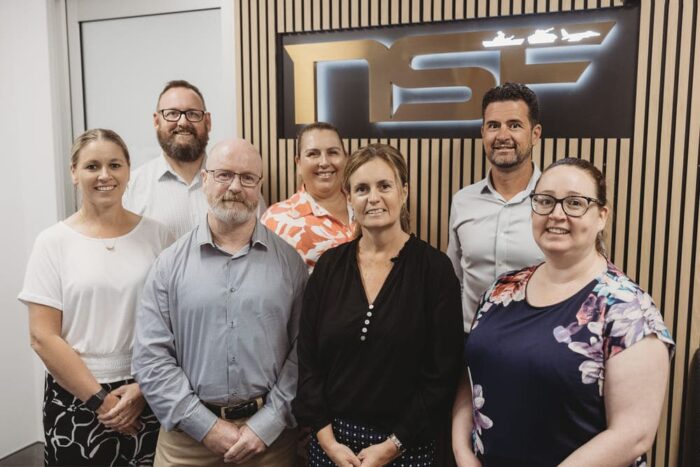
At National Service Financial, we model how options may play out in your personal circumstances. These comparisons are tailored to you and go beyond what can be understood from the offer letter alone.
Many veterans find that the advice highlights impacts they didn’t realise existed, and understanding these factors can prevent unexpected outcomes.
Can You Be Reassessed for SRDP or Lose Eligibility?
Your circumstances can change over time, and DVA recognises this. If you were previously assessed as ineligible for SRDP, you may be reassessed if your medical condition worsens or your capacity to work reduces.
SRDP will cease if your impairment rating falls below 50 points or if your work capacity increases to more than ten hours of suitable paid employment per week. Any change must be sustained rather than temporary. If SRDP ends, your compensation will revert to incapacity payments, but some entitlements gained through SRDP eligibility, such as the Gold Repatriation Health Card and education assistance for dependants, may continue if you previously met the SRDP criteria.
A temporary improvement in your condition should not result in the loss of SRDP. DVA considers sustained changes when reassessing eligibility.

Other Entitlements You Could Be Eligible For
Becoming eligible for SRDP may allow you access to several additional benefits. These may continue even if your payment type later changes.
Gold Repatriation Health Card
When you are assessed as eligible for the Special Rate Disability Pension, you may receive a Gold Repatriation Health Card. This card provides access to treatment for all medical conditions, not only those related to service. The card is embossed with “TPI,” and state and local government agencies may recognise it for a range of concessions.
Supplementary Payments
If you are assessed as eligible for the Special Rate Disability Pension, you are automatically entitled to the MRCA Supplement at the high rate ($14 per fortnight), regardless of whether you choose to receive SRDP payments or continue with incapacity payments. Entitlement to the MRCA Supplement is linked to your SRDP eligibility status and may continue even if your payment type changes later.
Education Assistance for Dependants
If you have dependent children who are undertaking approved study, they may qualify for financial support to assist with education-related expenses for young people in your care.
Invalidity Service Pension
If you have qualifying service under the Veterans’ Entitlements Act, you may also be eligible for an Invalidity Service Pension. This pension provides long-term income support until you reach the age pension age. It is tax-free until that time and becomes taxable once you enter the age pension system.
Does SRDP Impact Rehabilitation Entitlement?
Receiving the Special Rate Disability Pension does not remove your access to rehabilitation services through the Department of Veterans’ Affairs. If you are already participating in a rehabilitation program when you become eligible for SRDP, you may continue with that program.
You can also request rehabilitation support at any time if your circumstances change or if you require assistance with medical management, psychosocial support, independence at home or participation in community activities. Rehabilitation is not limited to vocational services. DVA provides a broad range of support to help you maintain function, wellbeing and quality of life.
DVA will periodically review your capacity to participate in rehabilitation. These reviews are not intended to reassess SRDP eligibility but to ensure you receive appropriate support.

Get Expert Advice For The Special Rate Disability Pension From National Service Financial
I founded National Service Financial after nineteen years in the Royal Australian Navy and the Royal Australian Air Force and was medically discharged in 2017. Like many veterans, I needed to re-educate myself and rebuild my life after service. I understand the transition process and the financial uncertainties that come with it, and our team is here to help.
Understanding the Special Rate Disability Pension and choosing between SRDP and incapacity payments can feel challenging, particularly as the decision is permanent. At National Service Financial, we can provide independent financial advice for your SRDP offer based on your personal circumstances and assist you in making an informed choice.